
Municipal Training Resources
This webpage was developed by the Maine Association of Wetland Scientists (MAWS) to provide educational resources on protected natural resources in Maine and the regulatory framework that governs them. The training materials below are intended to support municipal officials, including code enforcement officers, planners, and board members, in their understanding of wetlands, vernal pools, and shoreland zoning, and related permitting requirements. These resources are intended to be used for self‑guided learning or as a foundation for discussions with qualified wetland professionals.
MAWS is comprised of professional wetland scientists and environmental consultants with experience working throughout Maine. Members of our Municipal Subcommittee may be available, on a limited basis, to provide educational presentations or participate in municipal meetings, to help explain the topics covered in these materials. Requests for project‑specific analysis, regulatory determinations, wetland delineations, or permitting support generally require professional services. Municipalities seeking this type of assistance can find qualified professionals in their area by visiting the MAWS Directory of Environmental Professionals (add link to the directory... we need to update based on this year's member renewals and get it up again). Individuals listed in the directory are Active Members in good standing, but are not endorsed by MAWS.

Vernal Pools
A vernal pool is a unique, temporary to semi-permanent type of wetland habitat that occurs in a shallow depression and typically floods during the spring or fall and dries out during the summer. This training resource introduces vernal pools as ecologically important seasonal wetlands that provide critical breeding habitat for amphibians and other wildlife. It explains how vernal pools are identified in the field and through mapping, including the distinction between Significant Vernal Pools and other seasonal pools. It also outlines how vernal pools are regulated under Maine’s Natural Resources Protection Act (NRPA, 38 M.R.S. §§ 480‑A–480‑JJ) and associated Maine Department of Environmental Protection (MDEP) rules, and how they are addressed through municipal review and state permitting. This training is intended to help municipal officials recognize potential vernal pool resources early in project review and understand when coordination with state agencies or qualified wetland professionals is needed.
Wetlands
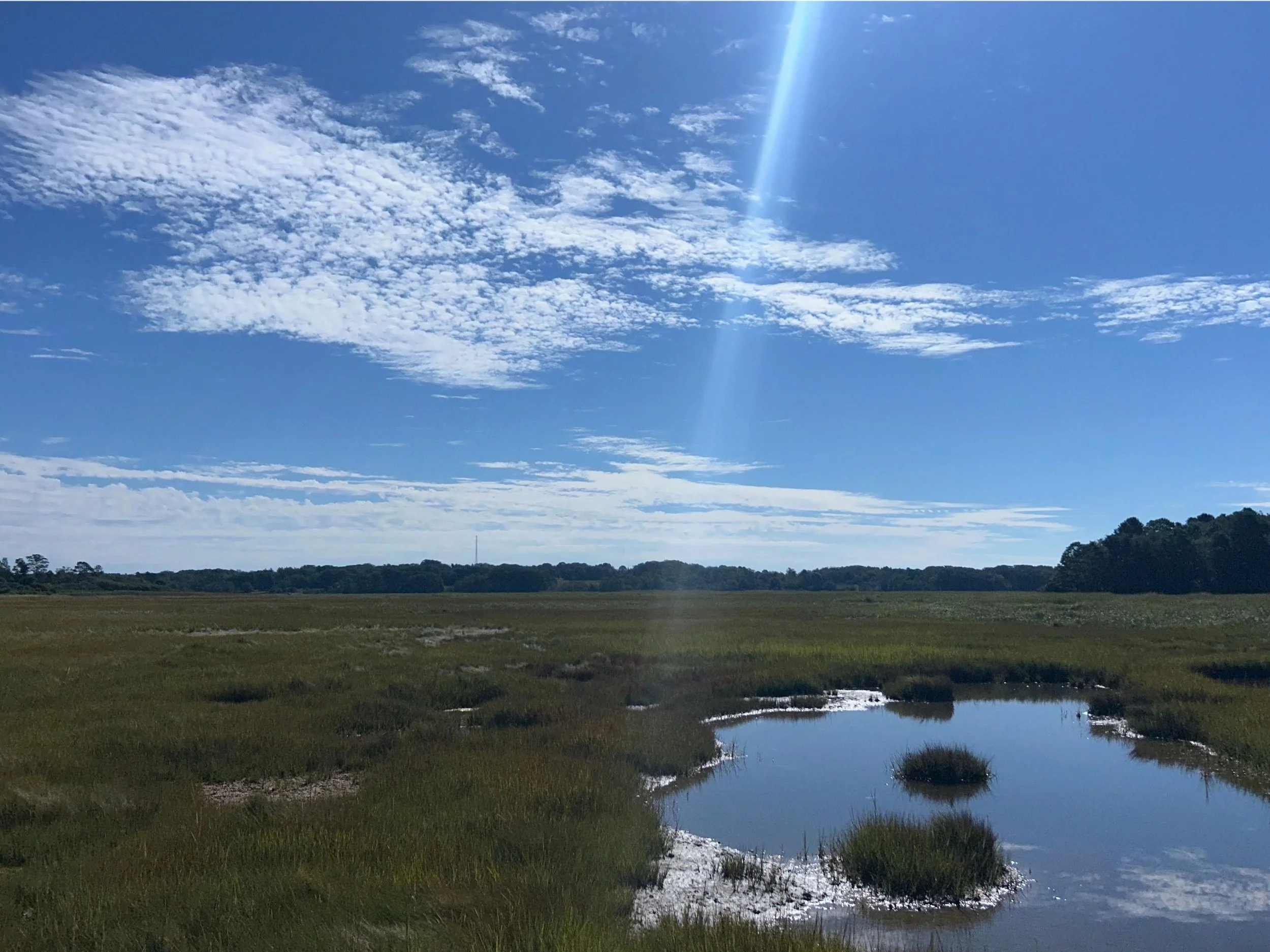
Wetlands are areas that are inundated or saturated by surface or groundwater at a frequency and duration sufficient to support a prevalence of wetland vegetation typically adapted for life in saturated soils. This training resource provides an overview of freshwater and coastal wetlands in Maine, focusing on their identification, functions, and regulatory protections. It introduces common wetland types, explains basic indicators used to identify wetlands, and discusses the limitations of mapping and visual assessment. The presentation summarizes how wetlands are regulated under the NRPA and relevant MDEP rules, including which activities may require permits, qualify for exemptions, or fall under Permit‑by‑Rule. Designed for municipal officials, this training emphasizes practical screening during local review and clarifies when professional wetland delineation or state involvement should be sought.
Shoreland Zoning
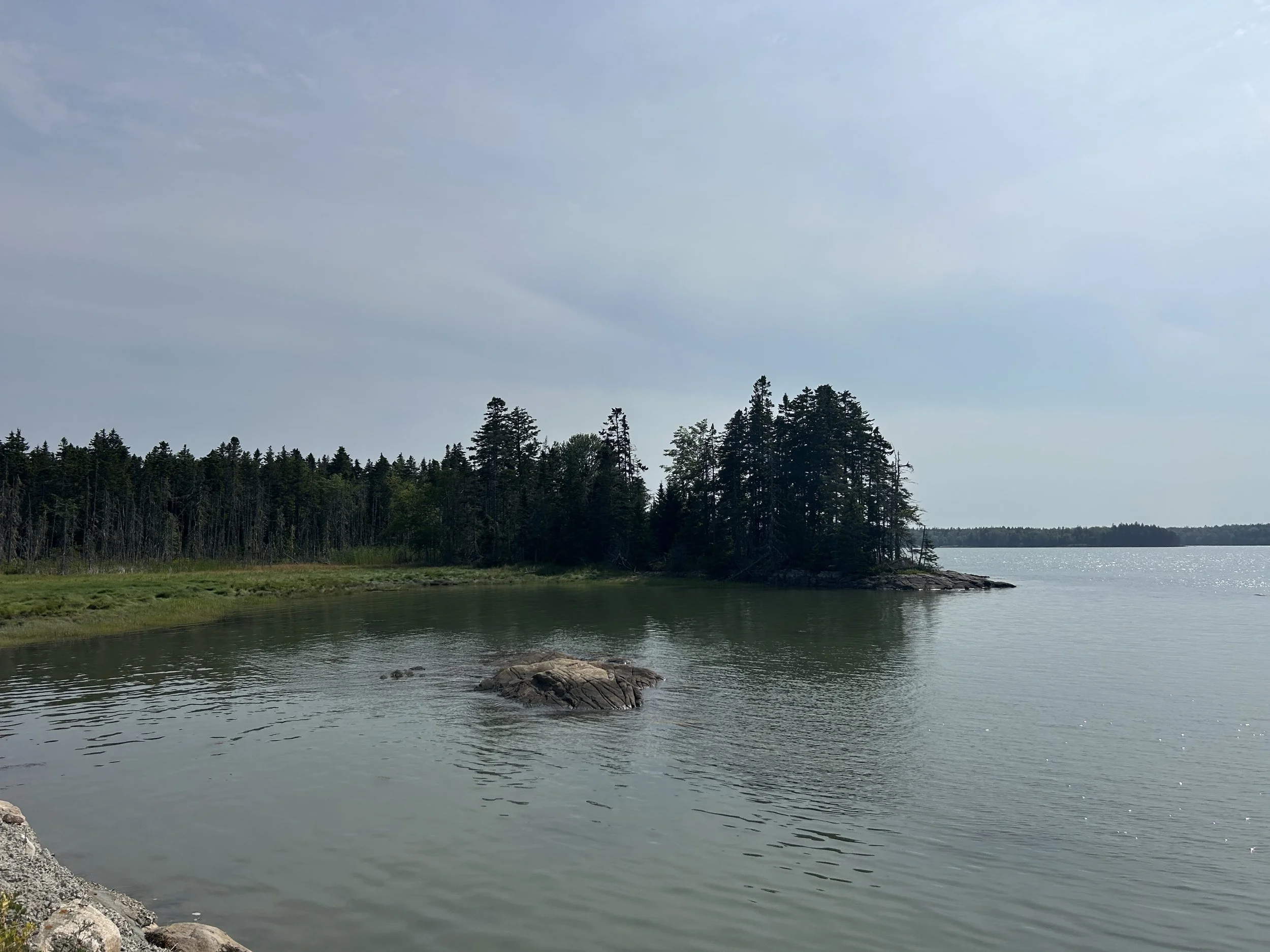
The shoreland zone in Maine is defined by the MDEP as all land within 250 feet of the normal high-water line of: any great pond or river; the upland edge of a coastal wetland, including all areas affected by tidal action; the upland edge of defined freshwater wetlands; and all land areas within 75 feet, horizontal distance, of the normal high-water line of certain streams. This training resource focuses on Maine’s Mandatory Shoreland Zoning Act (38 M.R.S. §§ 435–449) and the implementation of shoreland zoning at the municipal level. It explains how shoreland zones are defined, including setbacks from water bodies and wetlands, and summarizes the purpose and structure of municipal shoreland zoning ordinances. The presentation also introduces the MDEP Guidelines for Municipal Shoreland Zoning Ordinances (Chapter 1000) and discusses common activities regulated within the shoreland zone. This training is designed to support code enforcement officers, planners, and boards in understanding their local authority, recognizing regulated resources, and coordinating effectively with the MDEP when managing a municipalities important and unique natural resources.